Almost all of us have some irregularities in the shape or size of our nose. If the irregularity of shape, a hump, a too long or a too wide nose causes an aesthetic defect, cosmetic surgery is able to help.
With Rhinoplasty, we can correct the shape of the nose and deflections from its axis. There is often a pleasant secondary effect of the operation – the improvement of breathing. The aesthetic effects are significant, with an important influence on the mental state of the patient. An thorough consultation with your plastic surgeon is necessary before the operation, and the patient’s motives and the expected results must be made clear . Before the treatment, it is also necessary to undergo a preliminary lab test. It is possible to undergo pre-operative examination at our clinic or at your doctor´s.
We do nose surgery under general anesthesia. If it is our client´s wish, it is also possible to use local anesthesia. The operation does not leave visible external scars, the approach to the tissues is from the nostrils. During the surgery procedure, soft tissues are separated from supportive framework of bones and cartilages, and the nose is remodelled to correct the deformities. The treatment lasts 1 – 2 hours, depending on the scope of modelling. Smaller treatment includes only modelling of soft nasal tissues without sculpting the bones. The operation and post-operation recovery is mostly painless. We recommend to stay at the clinic overnight after your treatment. After operation, nasal packs are placed into the nostrils for 3 to 5 days and plaster fixation is put on the nose for 2 weeks. After removal of the fixation, it is necessary to be very careful before of the bones reattach, that is, for 6 to 8 weeks. Slight swelling can last for few weeks after the removal of fixation.
During the first weeks after treatment, the patient is to perform pressure massages which are important for the final shape of his/her nose. The nose shape is considered to be final after at least 6, usually 12 months. The effect is lasting.
At LAUREA clinic, it is mostly Doc. MUDr. Jan Válka, who deals with nose operations /rhinoplasty/, an author of an expert publication and many specialized articles on this topic. He is an internationally recognized plastic surgeon – rhinoplasty expert. Doc. MUDr. Válka has operated at LAUREA clinic for many years and is popular expressly with foreign but also with domestic clients. His great advantage and guarantee of many successful operations is not only his surgical knowledge but also his experience and aesthetic feeling.
Nose is a distinctive feature of every human face. Undesirable nose shape can substantially influence your look. Nose job can deal with this problems in an efficient way.
What is a nose job?
Nose job or rhinoplasty is one of the most common but technically most difficult procedures of plastic surgery. It is available to all people once the development of their nose is finished. The surgery can reduce or increase the size of your nose, correct the shape of the tip or the bridge or narrow span of the nostrils.
Surgery
Anesthesia
In most cases, nose job is done under general anesthesia. However it can be done under local anesthesia as well, the decision depends on the extent of the treatment and on the choice of you and your surgeon. With local anesthesia, the nose will be numbed with an injection, you will not feel any pain during the treatment. However, the surgery can be individually more or less annoying. With general anesthesia, you will sleep during the whole surgery. The patient is usually requested not to drink, eat or smoke for about 6 hours before general anesthesia and may need an overnight stay in hospital.
Procedure of nose job (rhinoplasty)
Nose job usually takes one or two hours, more complicated treatments can last longer.
Many plastic surgeons perform rhinoplasty from within the nose, making the incision inside the nostrils. The resulting scar is invisible. Others prefer an “open” procedure, especially in more complicated cases. In this case, the incision is lead across the columella, with resulting scar on this place. The scar is very discrete. During the normal surgery procedure, the skin is separated from its supportive framework, cartilages are partly removed and eventually sculpted, nasal hump is removed and bone part of the nose narrowed, if desired. Finally, the resulting shape of the nose is stabilized with bandage and plaster fixation. Nasal packs are placed into the nostrils.
Are you a suitable candidate for nose job – rhinoplasty?
Best candidates for rhinoplasty are people who are looking for improvement of their look. If you are in a good state of health, psychologically stable and realistic in your expectations, you may be a good candidate. Rhinoplasty can be performed to meet aesthetic goals or for remodelling purposes to correct birth defects or breathing problems. Age may also be a consideration. The surgery should not be performed before the development and growth of the person is finished. It is around 18 years of age in case of men, 16 years in case of women.
Before rhinoplasty
During first consultation, your surgeon will explain the operational procedure in detail, assess your case and discuss with you the possibilities of surgery and choose the most appropriate one for you. Be sure to tell the surgeon if you have had any previous nose surgeries or an injury to your nose, even if it was many years ago. You must also inform the doctor if you suffer from breathing difficulties. Be sure to discuss your nose job expectations frankly with your surgeon. He or she should be equally frank to you, describing your possibilities, risks and limits of every procedure.
It is assumed that no acute illness (viral illness, cold etc.) occurred in the period preceding the surgery. Inform the surgeon about any illness. While making the preparations, be sure to arrange for someone to drive you home after your surgery and to help out for a few days, if needed.
After the nose surgery
Immediately after the surgery, a small plaster splint will be placed on your nose to stabilize it. It will be removed after approximately 7 or 14 days, depending on the type of the treatment. During the first days after surgery, count with smaller or bigger swelling of the face, especially in the area of eyelids. The swelling can be easily reduced with cold compresses. Smaller swelling can last for weeks or months. Your nose may feel stuffy for some time, which is caused by swelling of nasal mucous membrane. For a week, it is not recommended to drivel. Most patients do not complain of bigger pain.
Most clients can return to job when the plaster is removed, it means after approximately two weeks.
Heavy physical activity is not recommended for about three weeks.
How long will the effect of nose surgery (rhinoplasty) last?
The results of the operation are lasting. It is however necessary to realize that the final results will stabilize no sooner than a year after the operation.
Cosmetic plastic surgery
Learn everything about plastic surgery and make up your mind!
Plastic surgery: pros and cons
Cosmetic surgery is becoming more common and, for the better or for the worse, it is here to stay!

Fresh appearance
Enjoy a new look thanks to surgery and make it look as natural as it can get! You can have a fresh appearance!

Not that unusual
At a time when science allows us to make everything possible, you can think about plastic surgery !

Why it’s possible
Body transformations have become commonplace, comparable to any other type of intervention.

Dream body
The medical and pharmaceutical industries can now change the relationship of people with their bodies. More on devischirurgie.fr.
For both men and women
Traditionally, cosmetic surgery has been associated only with women, but now men can also use it to enhance their self-image; in fact, about 13% of the aesthetic interventions are demanded by men. Men aim to give more tone to their bodies. More on beauty-wiki.org.
Usual suspects
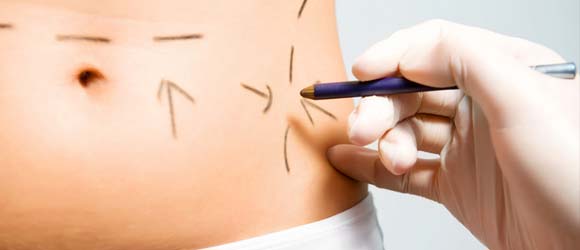
In the case of women, liposuction, correction of the nose shape and breast augmentation are three of the most practiced cosmetic surgeries in the world. From time to time, each of these interventions gains first place at the expense of others.
Your health is the first concern

Breast surgery
Breast surgery is an umbrella term for several types of cosmetic surgery procedures.

Certified doctors
Cosmetic surgery can be practiced by non-specialists, doctors who are not plastic surgeons.

Price decision
Do not let the price be the deciding factor when choosing your surgeon, take the right precautions.

Recovery
Make sure you understand the surgery procedures and the recovery details after the operation.

Risky surgery
Any surgery is a real operation, accompanied by risks and benefits that you should know.

In short
The woman or man who ventures to be reshaped or to have a fresh appearance does so at her own risk.
Take your time to look for and find the right surgeon!
Smoothing out wrinkles to give your face a youthful appearance can be reached without surgery and without scars. Botox (Botulinum toxin type A) is the cosmetic form of bacterium Clostridium botulinum. It is mainly used to treat forehead creases, frown lines and crow’s feet.
What is botulinum toxin and how does it work?
Botulinum toxin or “sausage poison” is a substance produced by the bacterium Clostridium botulinum. At first it was used in ophthalmology and neurology. That’s when it was discovered the toxin could be used to diminish wrinkles and stop sweating. The amount of applied substance in cosmetology is 1000 times lower than the toxic dosage. The actual effect of botulinum toxin consists of the blockage of nerve-endings; the muscle is de-nerved and no nerve impulses can affect the area. It is practically “numb,” although over time the muscle does regain its nerve impulses. The effect of botulinum toxin is not permanent.
Why botox Prague?
Prague has many attractive features for those considering botox abroad. Its location in Central Europe is easy to access; its mild climate is conducive to healing and its experienced clinics and botox surgeons ensure you’ll receive the best possible care. Botox Prague costs are often much more affordable than in the UK or with the NHS. For more information about getting to and around the Czech Republic, please visit our handy cosmetic surgery Prague info guide.
Are you a good candidate for wrinkle removal using botulinum toxin?
The two barriers to receiving a botulinum toxin application are pregnancy and lactation. Although most moms probably aren’t too worried about wrinkle removal. If you suffer from any nerve diseases, certain allergies and hemophilia also prevent you from using botox.
The botox procedure
Botulinum toxin is an out-patient procedure that takes several minutes. The actual application takes 5-10 minutes. It is performed without anesthesia but the treated area may be cooled with a frozen compress. The solution is applied with a thin needle under the skin in the specific wrinkled area. The most common place to receive botox is the forehead and the area around the base of the nose and around the eyes. An experienced surgeon is able to work in small areas, and to treat even the beginning of wrinkles in the area of the upper lip.
After the botox procedure
Folowing your botulinum toxin application, you should not lie down for four hours after the procedure. This is so the toxin won’t, for example, get in the eyes and perhaps cause drooping eyelids. The patient should also not wear cosmetics, visit a solarium, receive a massage, etc.
Does botox ever not work?
Yes, in rare cases, the botulinum toxin does not have any effect. These patients may have developed antibodies in the past through a small intoxication of the poison. There are also documented cases of antibodies being created by very frequent applications. In these cases, another type of botulinum toxin might work.
How long does botox last?
The effect of the substance after the first application lasts approximately three months, after the second one around half a year and after the third application approximately 9-12 months. The more the substance is applied the longer the effect lasts. However, the effect of botulinum toxin can’t be guaranteed for more than a year. Many clients return once a year, or even better, learn not to use specific muscles and therefore the period between the treatments is prolonged. Boutulinum toxin application in the same area is not recommended more than twice a year (except in the first year.) In case of very deep wrinkles or defected collagen fibres, total wrinkle removal cannot be expected, but only a wrinkle reduction. Here it is possible to combine the botulinum toxin with a suitable filling material, for example collagen or hyaluron acid.
BOTOX® / DYSPORT®
Uses:
Reduction of laugh wrinkles
Relaxation of frown wrinkles
Reduction of fan wrinkles
Relaxation of an unwanted facial expression (e.g. turned-down corners of the mouth)
Treatment of hyperhidrosis – excessive sweating (axillae, palms, soles and face)
Duration of the effect:
Temporary (3 – 9 months).
Duration of the treatment:
Maximum of 10 minutes.
What is Botox®?
Botulotoxin A is a substance that relaxes muscles. It has been used in medicine for a number of years now and is the most important component of both BOTOX® and DYSPORT®. A special feature of these substances, which are applied by injection, is that they act directly on the cause of wrinkles, namely muscular activity. When BOTOX® or DYSPORT® is injected into a muscle, it temporarily blocks the nerve impulse that causes muscle contraction. The substance therefore acts more effectively against mimicry wrinkles than skin implants do. In addition, it prevents the formation of new wrinkles. The wrinkles become less apparent or disappear completely. Although BOTOX® and DYSPORT® do not have a permanent effect, the treatment can be repeated without difficulty.
The treatment
The application of BOTOX® or DYSPORT® is completely painless. The doctor uses a thin injection needle to introduce the substance into the muscle that causes the wrinkle or unwanted facial expression. The injection produces only a slight burning sensation. Immediately after the treatment, the skin is slightly reddish and swollen. These effects disappear after about an hour. You don’t need to take any time off work and can appear in public almost immediately after the treatment.
Results
The results of the treatment appear after three to six days. The skin is visibly relaxed and the wrinkles are shallower. The effect is optimal after fourteen days, and lasts three to four months. The more frequently the treatment is repeated, the longer the effect (from six to nine months.)
What is Esthelis, Restylane, Juvederm, Surgiderm, Teosyal, Matridex, Matridur?
Esthelis
New generation of injection fillers containing hyaluronic acid. It is prepared from bio fermentative hyaluronic acid by patented process. It is a monocomponent formulation – containing only one substance. Unique polydensified cohesive structure of Esthelis consists of cohesive gel, which is easy to administer. The skin is smooth after its application. Esthelis is supplied packaged sterile and ready to use immediately.
What are the advantages of Esthelis?
Esthelis can be used immediately with no prior skin test. The cohesiveness and elasticity allow treatment without overcorrection. The Esthelis injection is administered by a medical professional, which is trained in such injection fillers application. It takes approximately 30 minutes to perform. The final result is visible in 1 to 2 days. It is stable and long lasting. Its main advantage is the natural structure of the substance, which is own to the body and also degrades in the organism naturally. Therefore there is no risk of allergies and undesirable effects.
What type of treatment can Esthelis be used for?
Restylane
RESTYLANE®
Use
- Reduction of wrinkles
- Improvement of the contours of the lips and the vertical lip furrows
- Fuller lips
- Reduction of turned-down corners of the mouth
- Reduction of scars
Duration of the effect
Temporary (6 – 12 months).
Duration of the treatment
About 30 minutes.
What is Restylane®?
RESTYLANE® is hyaluric acid, which is natural to the body. This substance occurs throughout the body and ensures the hydration and elasticity of the skin. Over time, however, the production of hyaluric acid decreases, wrinkles form and the skin becomes less flexible. RESTYLANE® replaces natural hyaluric acid. It forms cushions under the skin that completely fill the wrinkles and furrows. Three kinds of RESTYLANE® (RESTYLANE®, Restylane Touch® or Restylane Perlane®) are used, depending on the depth of the wrinkles. The products are virtually identical: they differ only in the size of the acid beads. Smaller ones are used for minor wrinkles, and larger ones for deeper furrows and for renewing volume.
The treatment
The doctor applies RESTYLANE® to the skin using a thin needle. The slight burning sensation this causes disappears immediately after the substance has been applied. The skin is desensitized with cream at sensitive places, like the lips.
Results
The result of the treatment– smooth skin and fuller lips – can be seen immediately. Although the skin may be slightly swollen directly after the treatment, the swelling disappears within one or two days. The body completely decomposes RESTYLANE® within six to twelve months, at which point the effect of the treatment disappears. However, the treatment can be repeated without difficulty.
Laugh lines and other character wrinkles aren’t always funny or welcome on our face. The effects of gravity, exposure to the sun, and the stresses of daily life can all be reflected in our ageing faces. Usually they take the form of loose and sagging facial skin and skin folds in the neck; along with the appearance of wrinkles. One way to brighten your look and lessen the signs of ageing could be the face lift.
What is a face lift (rhytidectomy)
Wrinkles can take hold in different parts of the face on different people. Some people develop deep creases between the nose and mouth, while others see the skin around their lower jaw and neck is getting weak and loose. These changes can be effectively removed by having surgery of the face and neck, more commonly known as a face lift.
By removing excess facial skin, as well as any excess fat, and then tightening the underlying muscles and tissues, a reformation of the skin on the face and neck can be achieved. This can lead to the removal or lessening of the above mentioned signs of ageing.
Face lifts can be done alone, or in conjunction with other procedures such as eyelid surgery. Another option for you may be a feather face lift APTOS.
If you’re considering a face lift, the following information will give you a basic understanding of the procedure, when it can help, how it’s performed, and what results can be expected. You can post questions about face lifts in our forum. The actual procedure may more or less differ from this information, since a lot depends on the individual attitude of the patient and his relationship to his face lift doctor. A good result is always influenced through good understanding and cooperation between the patient and the surgeon. Therefore do not hesitate to ask your surgeon about anything you don’t understand.
Why facelift Prague?
Prague has many attractive features for those considering facelift surgery abroad. Its location in Central Europe is easy to access; its mild climate is conducive to healing and its experienced clinics and face lift surgeons ensure you’ll receive the best possible care. Face lift Prague costs are often much more affordable than in the UK or with the NHS. For more information about getting to and around the Czech Republic, please visit our handy cosmetic surgery Prague info guide.
The process of a face lift operation
Anesthesia
Face lift surgery can be done under general anesthesia or under so-called analgosedation, which is a combination of analgesics (painkillers) and sedatives. Most surgeons prefer this type of anesthesia but when deciding which type of anesthesia to use it depends on the patient. No matter what type of anesthesia will be used, people are requested not to eat, drink or smoke for a minimum of six hours before the surgery. The patient must also plan for a minimum one day stay in hospital.
Facelift – the surgery
A facelift usually takes 1.5 to 3 hours; if you’re having more than one procedure done, it can take longer. For extensive procedures, most surgeons prefer to schedule two separate sessions.
Every surgeon approaches the procedure in his or her own way. The exact placement of incisions and the sequence of events depends on your surgeon’s technique, although in most cases it doesn’t vary that much.
The incision usually begins above the hairline at the temples, extends in a natural line just inside the cartilage at the front of the ear, and continues behind the earlobe to the lower scalp. If the neck needs work, a small incision may also be made under the chin.
The surgeon gently loosens the skin around the temples and neck, and after an exact measurement he/she removes the excess. In case of a deeper fat layer, especially around the neck and chin, the procedure may be combined with a gentle liposuction. For a long lasting result it is necessary to tighten the subdermal musculoaponeurotic system tzv. SMAS lifting as well as the skin. The incisions are usually closed with intradermal absorbable sutures.
Under the skin of the neck and cheeks a drain may be placed on both sides. The drain will collect any liquid in order to prevent its accumulation which could significantly complicate the healing process. At the end of the surgery the surgeon usually uses an elastic bandage to fix the area of cheeks and neck.
Are you a good candidate for a face lift?
Face lifts are popular among women, and lately interest is growing among men as well. The main indication if a face lift would be right for you is loose skin in the face and neck. A natural condition is an overall healthy patient. Most patients are in their forties to sixties. A face lift can be done on younger patients, if the above mentioned ageing effects have appeared sooner than expected. The surgery can also be considered by older people, if they fulfill the medical requiremenrs. Face lifts can make you look younger and fresher and the result should never lead to an unnatural look. Before you decide to have face lift surgery, think carefully about your expectations and discuss them with your surgeon. Also, view before and after face lift photos to see the results from face lift surgery that you can expect.
Before your facelift surgery
If you decide to have a facelift abroad, your surgeon will explain the surgery process and the chosen anesthesia to you; he or she should also inform you about the risks involved. Don’t hesitate to ask your doctor any questions you may have, especially those regarding your expectations and concerns about the results. Your surgeon will give you specific instructions on how to prepare for surgery, including guidelines on eating and drinking, smoking, and taking or avoiding certain medications. Carefully following these instructions will help your facelift to go more smoothly and you to heal without troubles. Before the planned surgery you should arrange for someone to drive you home after your surgery, and to help out for the first days if needed.
After your face lift surgery
The inserted drainage tube will be removed a day after the surgery and the patient can go home, but further treatment may be required.
In individual cases, a longer hospital stay may be necessary. The head bandage is usually removed three to five days after the surgery and nonabsorbable sutures, if used, are removed seven to ten days after the face lift. The convalescence period takes usually from one to two weeks. Any abnormal physical strain is not recommended for one month.
There usually isn’t significant discomfort after face lift surgery. If there is, it can be lessened with pain medication prescribed by your surgeon. Severe or persistent pain or a sudden swelling of your face should be reported to your surgeon immediately.
Some numbness of the skin is quite normal and it will disappear in a few weeks or months.
In the first phase after the surgery you should be prepared for both large and small swelling and sometimes even bruises. It is not possible to expect your final look right after the surgery, you will have to wait for it with patience.
The final effects can be expected to last for five to ten years. The procedure can be repeated as needed.
Injectable fillers are substances own or foreign to the body that are applied under the skin with the aim to smooth and lift aging skin. There are used own fat, collagen, hyaluronic acid, hydroxylapatite, acrylates and others. Anesthesia is local only in form of anesthesia cream. The duration of the treatment depends on the type of filler and size of treated area. Return to normal activities is possible right after the treatment.
What can injectable fillers do for you?
Soft-tissue fillers such as injectable collagen or fat, can help fill in facial lines and creases, temporarily restoring a smoother, more youthful-looking appearance. When injected beneath the skin, these fillers plump up creased and sunken areas of the face. Injectable fillers can also add fullness to the lips and cheeks. They may be used alone or in conjunction with a resurfacing procedure, such as a laser treatment, or a recontouring procedure, such as a face-lift.
Injected collagen and fat are primarily used to improve the appearance of the skin’s texture. They can help fill out deep facial wrinkles, creases and furrows, “sunken” cheeks, skin depressions and some types of scars. They can also be used to add a fuller, more sensuous look to the lips.
Injectables are usually not helpful for severe surface wrinkles on the face, such as multiple vertical “lipstick lines” that sometimes form around the mouth. Instead, your plastic surgeon may suggest a resurfacing technique, such as a chemical peel, dermabrasion or laser treatments. Rather than filling in facial lines, resurfacing methods strip away the outer layers of the skin to produce a smoother appearance.
Deep folds in the face or brow caused by overactive muscles or by loose skin may be more effectively treated with cosmetic surgery, such as a face-lift or brow-lift. Injectable fillers are sometimes used in conjunction with facial surgery procedures; however, injectables alone cannot change your facial contour the way surgery can.
Why injectable fillers Prague?
Prague has many attractive features for those considering injectable filllers abroad. Its location in Central Europe is easy to access; its mild climate is conducive to healing and its experienced clinics and injectable filler surgeons ensure you’ll receive the best possible care. Injectable fillers Prague costs are often much more affordable than in the UK or with the NHS. For more information about getting to and around the Czech Republic, please visit our handy cosmetic surgery Prague info guide.
Types of injectable fillers
Collagen
Collagen is used primarily to fill wrinkles, lines and scars on the face and sometimes the neck, back and chest.
Collagen is a naturally occurring protein that provides support to various parts of the human body: the skin, the joints, the bones and the ligaments. Injectable collagen, patented by the Collagen Corporation under the trade names Zyderm and Zyplast, is derived from purified bovine collagen. The purification process creates a product similar to human collagen. Injectable collagen received approval from the Food and Drug Administration in 1981. It is produced in various thicknesses to meet individual patient needs.
Fat
In the medical world, the fat-injection procedure is known as autologous fat transplantation or microlipoinjection. It involves extracting fat cells from the patient’s abdomen, thighs, buttocks or elsewhere and reinjecting them beneath the facial skin. Fat is most often used to fill in “sunken” cheeks or laugh lines between the nose and mouth; to correct skin depressions or indentations; to minimize forehead wrinkles and to enhance the lips.
Anesthesia
Because the anesthetic agent lidocaine is mixed in with collagen, additional anesthetic is usually not used when receiving injectable fillers. However, if you are especially sensitive to pain, your doctor may use a topical cream anesthetic or a freon spray to numb the injected area.
You may also choose to have an injected local anesthetic or sedative drugs.
Both the donor and recipient fat areas are numbed with local anesthesia. Sedation can be used as well. If you elect to use sedation, be sure to arrange for a ride home after your treatment.
The injectable filler procedure
The injectable filling procedure takes from 15 minutes to one hour.
Collagen
Injectable filler treatment with collagen can begin after a skin test determines that you’re not allergic to the substance. The collagen is injected using a fine needle inserted at several points along the edge of the treatment site. If a local anesthesia has not been used, you may feel some minor stinging or burning as the injections are administered.
Since part of the substance is salt water that will be absorbed by the body within a few days, your doctor will slightly overfill the area.
You may be asked to hold a hand mirror during the procedure to help your doctor decide when you’ve had enough.
Fat
After both the donor and recipient sites are cleansed and treated with a local anesthesia, the fat is withdrawn using a syringe with a large-bore needle or a cannula (the same instrument used in liposuction) attached to a suction device. The fat is then prepared and injected into the recipient site with a needle. Sometimes an adhesive bandage is applied over the injection site.
As with collagen, “overfilling” is necessary to allow for fat absorption in the weeks following treatment. When fat is used to fill sunken cheeks or to correct areas on the face other than lines, this overcorrection of newly injected fat may temporarily make the face appear abnormally puffy or swollen.
Are you a good candidate for injectable fillers?
An Injectable fillers procedure can enhance your appearance and your self-confidence, however it will not change your looks. Before you decide to have this procedure, keep in mind that the results are not long-lasting. The best candidates for injectable fillers are men and women who are physically healthy, psychologically stable, and realistic in their expectations as to how injectable fillers can enhance their appearance. to see the effect of other people’s injectable fillers surgery, click here for injectable fillers before and after photos.
Before your injectable filler surgery
In your initial consultation, your plastic surgeon will evaluate your face – the skin, the muscles and the underlying bone – and discuss your wishes for the surgery. Your doctor will help you select a treatment option based on your goals and concerns, your anatomy and your lifestyle.
Your surgeon will ask you about your medical history, drug allergies, and check for conditions that could cause problems, such as active skin infections or non-healed sores from old injuries. Collagen injections are generally off limits for pregnant women, individuals who are allergic to beef or bovine products, patients who suffer from autoimmune diseases, and those who are allergic to lidocaine (the anesthetic agent contained in the syringe with the collagen material.)
After your injectable filler surgery
Collagen
Immediately following the injectable filler treatment, you may notice some minor discomfort, stinging or throbbing in the injected area. Occasionally some bruising or swelling will occur, but it is usually minor. Any redness that appears in the injected site usually disappears within 24 hours.
However, in some individuals, particularly fair-skinned patients, this redness may persist for a week or more. Tiny scabs may also form over the needle-stick areas; these generally heal quickly.
No bandaging is needed and you are free to eat, drink, and wear makeup with sunblock protection shortly after the injectable filler surgery.
There may be some temporary swelling and redness in the treated area which should disappear within a few days. If these symptoms persist, contact your surgeon.
Fat
If a larger area was treated, you may be advised to curtail your activity for a brief time. However, many patients are able to resume normal activity immediately.
You can expect some swelling, bruising or redness in both the donor and recipient sites. The severity of these symptoms depends upon the size and location of the treated area. You should stay out of the sun until the redness and bruising subsides – usually about 48 hours. In the meantime, you may use makeup with sunblock protection to help conceal your condition.
The swelling and puffiness in the recipient site may last several weeks, especially if a large area was filled.
How long will the results of injectable fillers last?
Collagen Results
Results from collagen injections varies. The injected material is eventually metabolized by the body. You should not expect the same long-lasting results that may be gained from cosmetic surgery.
In some individuals, the results may last only a few weeks; in others, the results may be maintained indefinitely. Researchers believe that age, genetic background, skin quality and lifestyle as well as the injected body site may all play a role in the injected material’s “staying power.” However, the precise reason for the variation of results among patients has yet to be identified.
If you’ve had short-lived results from fat injections, you shouldn’t necessarily assume that collagen injections will work better for you. And, conversely, if you’ve had disappointing results from collagen, don’t assume that injected fat is the answer.
Although it’s true that some individuals’ bodies are more receptive to one substance than the other, others may find that neither substance produces long-lasting results. Sometimes one substance may work better than the other for a specific problem.
Fat Results
The duration of fat injections varies significantly from patient to patient. Though some patients have reported results lasting a year or more, the majority of patients find that at least half of the injected fullness disappears within 3-6 months. Therefore, repeated injections may be necessary. Your doctor will advise you on how to maintain your results with repeat treatments.
Injection implants enable you to augment the lips, to smooth the wrinkles away and to correct the contours of the face. You will be young and beautiful….
What is Radiesse?
Radiesse is formed by particles of calcium hydroxyapatit (CaHa) in the form of gel that is suitable for facial abnormalities correction. CaHa is a natural part of human tissues (teeth, nails). On one side, results are fully evident immediately. On the other side, the substance is completely excreted from the body by a natural pathway over a period of one to two years. The filler is especially used for renewal of the volume of the cheek bones, reduction of deep nasolabial folds, correction of turned-down corners of the mouth, improvement of the contour of the jaws and nose shape, as well as for enlargement of the small or recessive chin.
RADIESSE
Use
- Renewal of face volume
- Renewal of cheekbone volume
- Reduction of deep nasolabial folds
- Reduction of turned-down corners of mouth
- Correction of jaw outline
- Correction of nose shape
- Enlargement of small or receding chin
Duration of the effect
Temporary (1-2 years).
Duration of the treatment
Approximately 30 minutes.
What is Radiesse?
Radiesse is a injection implant that is very suitable for correcting facial imperfections. It includes calcium hydroxyl apatite particles (CaHa) in gel formula for easier application. CaHa is a natural component of human tissue (teeth and nails) and has been used in medicine for over 25 years. A great advantage of the product is it’s immediately visible and long-lasting effect. Duration of the effect depends on the client’s age, skin type, lifestyle and muscle activity in the application area. For instance in the nasal area the effect may be visible for up to several years. However, over time the substance naturally fully leaves the body.
The treatment
The treated area may be anaesthezised before treatment, either by using a anaesthetizing cream or injection. Radiesse is then applied directly underneath the skin and a physician gently rubs it into desired shape. Immediately after treatment the treated area may be red, swollen and slightly painful, bruises may rarely appear. However, this is all only temporary. In some cases the desired effect is achieved already after the first treatment, in other cases repeated treatments are required. The treatment may be repeated any time.
Results
The effect is immediately visible. As soon as after two weeks the product cannot be felt in skin. The gel stays where it has been applied, since CaHa particles are stabilised in skin by newly formed collagen. The effect is visible for one to two years, in some cases even longer.
Do you find it time consuming to constantly remove dark hair from your armpits, bikini area, legs or face? Typical hair removal methods such as shaving, depilatories, plucking or waxing are only temporary and may not be good for your skin. If you find excessive body hair embarassing, you may want to consider laser hair removal.
What is laser hair removal?
The human body is covered by a lot of hair. Most of this hair is not visible to the naked eye because of its pale colour. This pale hair plays a very important role in protecting the skin. Only a small amount of body hair is visible. Laser treatment enables us to remove ugly, dark hair without damaging the natural skin protection body hair offers.
Laser hair removal is a painless procedure with long lasting results. There is no need to have repeat laser hair removal treatments as is typical in more painful and less effective methods of hair removal. Some people are afraid when they hear the word “laser.” A laser is just a beam of light. This depilatory laser beam destroys the hair’s root. There are at least three times more hair roots in the subcutis than hair. The process of body hair change is the same as in the case of “real hair” on the head. Some hair has fallen out, some is growing through the subcutis and some has grown out. Accordingly, all hair goes through several growth phases. Laser only destroys hair in its active growth phase, the anagen phase. This means that one session is not sufficient, the treatment has to be repeated after a period of time (usually 4 times.) This time period differs according to the treated area. For example, the laser hair removal treatment of the upper lip is repeated after six weeks; armpits and bikini areas, after three months and legs, after six months.
Why laser hair removal Prague?
Prague has many attractive features for those considering laser hair removal abroad. Its location in Central Europe is easy to access; its mild climate is conducive to healing and its experienced clinics and laser hair removal surgeonsensure you’ll receive the best possible care. Laser hair removal Prague costs are often much more affordable than in the UK or with the NHS. For more information about getting to and around the Czech Republic, please visit our handy cosmetic surgery Prague info guide.
Who is a suitable candidate for laser hair removal?
Laser hair removal is recommended to almost anyone who suffers from unwanted dark hair anywhere on the body (exceptions include excess hair on/in the ears or nose.) This method may not sufficiently treat pale hair. The hair bulb must be in its active growth phase in order to absorb the energy which will destroy its cells and prevent hair regrowth.
It is possible to remove hair from the face (upper lip, chin, cheeks,) the neck, armpits, forearms, the bikini area, inner thighs, legs, back, chest, abdomen and areolas.
Before the treatment
It is important to not pluck the hair for at least 6 weeks before the treatment. Acceptable hair removal methods are shaving, cutting or removing with a depilatory paste. Laser treatment gets rid of the cause of dark hair – the hair root – not only the root’s result (hair.) The hair bulb must be fully regenerated to make the treatment effective.
It is necessary to closely shave the treated area before the laser removal. Each session may last anywhere from a few minutes up to several hours depending on the size of the treated area.
Another important issue is suntan. The treated area should not have a fresh suntan or sunburn, from either the sun or visit to a solarium.
Treatment
There are different types of laser that offer different results. It is important to consult with your surgeon on the laser type and expected effect, taking into consideration the treated area and laser type suitable for this area. All laser types require additional sessions to achieve the desired results. The treatment is not painful, the patient just feels light stinging on more sensitive spots.
After the treatment
After the treatment, it is necessary to protect the skin from sun. Your skin will have open pores which must be protected from the sun’s harmful rays. It is recommended to use a strong sun block, preferably of SPF 50, after your treatment. Your skin may be slightly red at the treated place, it depends on the treated area and the sensitivity of your skin. The redness should disappear after a few hours. Visit our photo gallery to see before and after photos of laser hair removal Prague.
How long will the effects of laser hair removal last?
The number of sessions and effectiveness of the treatment depends on the treated area and type of laser. It is therefore very important to discuss the expected number of sessions and suitable laser frequency in advance with your surgeon.
He did not want to be described as an exceptional specialist. But he convinced me in almost every sentence that he really is one. Doc. MUDr. Jan Měšťák CSc., speaks not only about plastic surgery…
Can you describe your way to plastic surgery? Why have you decided to work especially in this branch?
The way began in my childhood. I wanted to study a special school for hotel services in Mariánské Lázně, but it was not possible, so my parents put me out to apprenticeship at the Institute of Physics belonging to the Academy of Sciences. It was a very small enterprise, where we did many beautiful things in designing development shops. I was able to learn much about fine mechanics, which later proved to be very useful to me. I did blue collar work for five years and got to know many teams. Then I understood that it is not important whether you have a degree or not. There are many bad doctors with degrees and many highly skilled people without qualification. At that time I studied a night-school, practiced dancing and played volleyball almost professionally. I got to know that it is possible to manage many things at the same time and do them quite well. The real way to plastic surgery began with experience from the Clinic of Plastic Surgery at the VinohradyHospital in Prague. The head nurse took me, a future student of medicine running in overalls, in affection and asked me to do small repairs in the ward. There I met children with cleft palates and other defects, talked to them and learned about plastic surgery. It helped me to make the final decision.
You were awarded by a Commemorative Medal for Merit for development of plastic surgery in Slovakia and you are a holder of a Patent of Invention on the field of plastic surgery. Can you tell us something about your success?
One of my many activities is to lead in-service training of doctors for plastic surgery. I organize many training activities, one-day workshops and I am a member of the examining committee for medical attestations. Because my pedagogical activities were and are connected with colleagues from Slovakia, I was awarded by this Commemorative Medal.
As for my patent, I got it from the Ministry of Industry and Development approximately ten years ago together with Dr. Babinec for so called imbibitory gel sticks used in plastic surgery. After implanting this gel into the affected place, the gel absorbs water and its volume increases. In this way it is possible to deal with some aesthetic and post-accidental situations. My contemporary work is similar but with a much wider application in plastic surgery. I have to mention again how grateful I am to have experience on the field of fine mechanics. There are many other examples proving it. Naturally, I work on operational procedures as well.
Is there a branch of plastic surgery you are specialized in?
Generally, plastic surgery means dealing with different congenital or acquired defects, post-traumatic and post-operational situations, reattachments, it means reattaching of limb parts separated by an injury, large defects after removing epithelioma or other tumors, burns or aesthetic defects. At the beginning of my clinical practice I dealt with almost all problems, later I specialized in facial clefts. Nowadays, at the Clinic of Plastic Surgery of the First Faculty of Medicine at the Charles University and University Hospital Na Bulovce, which I lead, one of the main programs is dealing with surgical treatment of breast cancer in case of women, with an immediate or subsequent breast reconstruction after its removal.
It is necessary to mention, that there are women in the population, who have frequent cases of breast cancer in their families, which means a high potential risk for them. We have introduced a program of removing mammary gland and an immediate breast reconstruction. The woman can be at ease, without fear to get breast cancer tomorrow, in a week or in some months. Although this is our priority, we deal with other types of operations as well, for example congenital defects of hands, genitalia, different tumors. I would say there is almost no surgical field, which could work without cooperation with plastic surgery. I tell to young surgeons that this is the base and the aesthetic surgery is just at the end of the whole branch.
You mentioned reconstruction of breast after its removal in case of tumor. I came across a study analyzing the value of this demanding operation in case of an ill woman with a very negative prognosis. What is your experience with women in these types of operations?
For me there is no question. I know from my experience and from the experience of my colleagues that the reconstruction of breast is very important for the woman. I operated one young woman with an advanced stage of breast cancer. Neither the oncologist nor the specialist in breast scan recommended a breast reconstruction. The woman came one day and told me she did not want to live without the breast. I consulted the case with the president of the ethical committee of the Medical Chamber and she recommended a consultation with a psychiatrist. This consultation proved the necessity to do the reconstruction. The woman lived six more years. The six years were important for her. It is interesting how often it is not so important for these women whether the primary operation of breast removing was done properly, they are much more interested in the result of breast reconstruction. The loss of a breast is always a very difficult handicap for a woman, so these operations are more than meaningful for us.
Is it possible, in the wide range of treatments you do, to specify the percentage of aesthetic operations and reconstructive operations?
It is sometimes difficult to find the real border between cosmetic an other defects. Among the cosmetic defects belong for example too large breasts, which represent also a burden for the health of the woman – they cause headache, pain of the backbone, skin problems etc. It is however possible to say that the University Clinic specializes more in the general plastic surgery and the private clinics more in aesthetic surgery. Naturally, cosmetic defects are treated at the University Clinic as well.
What is the influence of media on the concept of beauty?
There is certainly an influence and with an increasing number of departments of plastic surgery, it is possible to deal with problems which were insolvable in the past. In my work, I meet women more frequently, it is possible to say that 94% of my clients are women, mainly because women are more sensitive in the approach to their look. Nowadays, there are however also many men, who are concerned with their looks. Women concentrate mainly on dealing with congenital defects, for example small breasts or large nose, as well as problems caused by the ageing process. Some congenital defect can represent a life-long problem. I met a sixty-eight-year old woman, who had suffered from a strange nose shape since her childhood and asked me no sooner that at this age to operate her. The increase in cosmetic operations is obvious.
Don´t you think that aesthetic operations damage the originality?
You may be right, I as a man would not undergo a cosmetic treatment. There are many people, who are interested in the same sex and that´s why they want to change themselves. This is more frequent in case of men than women. Each person has got a different sensitivity. Some women do not care whether they have lost a breast, for others it is a most crucial issue. The result of an operation must be natural, that is very important. It is incredible, how much can some operations help the women, give them strength, self confidence, improve their marriages. Some originality may get lost, but the identity must remain.
What are the most frequent motives for women who decide to undergo a plastic surgery?
It should be never caused by a man. The woman must want the change herself. I know cases of women who do not want to put off their dresses in a changing room where there are more people, because they feel ashamed of their small breasts. The first period which causes dissatisfaction with own body is the puberty. Later, after the woman gives birth, the body changes naturally and many men criticize openly these changes. The woman loses self-confidence. Sometimes there are women, whose husbands had left them, and they can be helped by the operation. An other motive can be a job, women need to look good.
What does your ideal woman look like?
During my residences abroad, I met beautiful blond women in Scandinavia with blue eyes and when i returned home i saw our Czech women. They were marvelous. So i can´t say. There are women who are not so beautiful but give you the impression to be the most beautiful of all. So i don´t classify. Even during the beauty contest there are many girls which are not interesting for you and there may be one whose beauty can be striking.
In what ways is Czech plastic surgery exceptional, what can it offer to the world?
I have experience with many work places and I know about our positive and negative sides. Important is above all academician Mr. Burian and many of his followers, who brought our plastic surgery to a high standard. I would like to mention Prof. Fára, Karfík, Bařinka and others.
When I consider it all and see your hands, I tell to myself how skilled they must be…
You need to have not only a sure and strong hand but also a lot of experience, which enables us to do our job with good results. As I have mentioned before, during many operations and during my work on the clinic, I use the skills and experiences of a fine mechanic with much gratitude.
In your opinion, what is the base of success?
Success can be individual and collective. Individual success is based on diligence, discipline, strong will, ability to overcome difficulties, anticipation and inventiveness. Here I gained experience on the field of sports, because i belonged to the best junior volleyball players in our country. I know there were some more talented players than me, but they did not have the motivation, determination and will. Unfortunately, because of lack of these qualities, many extraordinary people are not successful in sport or in their jobs. The secret of being successful lies also in the ability to distinguish important things from unimportant, useful from useless. I can compare it to a game of chess, where not the first or second moves are important, but the next. The success of a team depends on its proficiency, quality of human relations and discipline as well. Good interpersonal relations and complying with real and convincing goals are one of the most important motivating aspects of success. In my opinion, the success on the field of plastic surgery really depends on the surgeon´s ability to establish patient´s confidence in the doctor and the results of the operation. My long-time experience confirms this.
Where do you see the limits of plastic surgery and which way should this branch develop in future?
Someone has recently asked me about transplanting skin from the face of one person to another. My ethical opinion is clear. I think if someone met a person with a part of his deceased relative´s face, the emotions would be very strong. Next development of plastic surgery should use rich contemporary experience and develop them further. I always tell to young doctors, they should not attempt to do heroic operations which are connected with a high risk. I see clear limits in sobriety and caution.
Is it possible to say that the limits of plastic surgery are defined more by ethic constraints than by technical possibilities?
Definitely. And it is always necessary to practice medicine regardless of money. For me, money is always only an aid to please other people not myself. Even in the case of plastic surgeons, medicine must be more important than money.
Do you suppose that maybe in 20 years the treatments will be different, because of technical development or different materials?
The hand of the surgeon is always the same. This is the main tool and it does not change. Over the years, there has of course developed a much wider range of available operations. Nowadays we have started to use a robot for operations, but the base, the skill, it remains. I believe that many operational procedures will remain. We will use more microsurgery but I don´t expect crucial changes.
Sometimes we hear that aesthetic surgery is somehow redundant, that it does not „save lives…“. What makes the aesthetic surgeon feel satisfied, apart from reconstructive surgery?
It would be a big mistake to think that removal of cosmetic defects by a plastic surgeon is less important than dealing with some congenital defects. We know very well how important is reconstruction of a breast for a woman after a breast cancer operation. Similar is a natural enlargement of underdeveloped breasts or treatment of a large nose, which makes the person feel ridicule. The biggest reward and delight brings me the happiness and joy of a woman, whose life has changed and improved. Other values, even the material ones, are unimportant for me at the moment.